
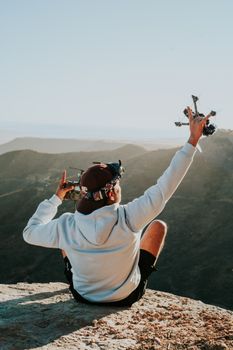
First-Person View drone flying has surged from a niche hobby into a global phenomenon, attracting pilots of all backgrounds who crave speed, technical mastery, and breathtaking aerial footage. Unlike stabilized camera drones that float serenely above landscapes, FPV drones are manually controlled, high-speed machines that stream a live video feed from an onboard camera directly into a pair of goggles, placing the pilot in the cockpit. The feeling of diving through tight gaps, carving mountain lines, or racing a tight circuit is immersive and unmatched. Whether you’re interested in freestyle acrobatics, competitive racing, cinematic videography, or simply exploring a new technical challenge, this guide introduces every essential aspect of FPV—from the gear you’ll need and the critical first steps of simulator training to building your own drone and flying safely within the rules.
What Is FPV Drone Flying?
FPV stands for First-Person View, meaning you see exactly what the drone sees, in real time, through video goggles or a monitor. This is fundamentally different from flying a standard camera drone, where you watch the aircraft from the ground or frame a shot on a phone screen. FPV quads are typically flown in full manual mode (acro mode), giving the pilot absolute control over every movement, without the self-leveling assistance that makes consumer drones easy to fly but limits agility. Speeds can exceed 100 mph, and pilots perform flips, rolls, and precise proximity flying around obstacles. The hobby spans several disciplines, including cinematic FPV for smooth, awe-inspiring video sequences, freestyle for expressive trick flying, and competitive racing governed by organizations like the Drone Racing League that put pilots through neon-lit courses at breakneck speed.
Key Components of an FPV Drone Setup
An FPV system is a modular collection of gear that can be customized endlessly. The core components are the quadcopter itself, a radio transmitter (controller), a pair of FPV goggles, batteries, and a charger. Drones come in many sizes: tiny whoops with propeller guards for safe indoor flying, 2-3 inch micros for backyard practice, and 5-inch or larger quads for outdoor freestyle and cinematic work that carry HD action cameras. The video transmission system defines what you see in your goggles; analog is affordable and lightweight with very low latency, while digital systems like the DJI FPV system and Walksnail deliver high-definition video with robust signal penetration, albeit at a higher cost. Most beginners start with a ready-to-fly kit from companies like BetaFPV or EMAX that bundles a small drone, controller, and goggles into a single purchase, significantly lowering the barrier to entry.
Why FPV Has Exploded in Popularity
Several factors have converged to turn FPV into a mainstream activity. The arrival of reliable, high-performance gear at lower price points has made the hobby accessible, while social media platforms have amplified jaw-dropping FPV footage, from cinematic dives of iconic landmarks to fast-paced racing clips, inspiring millions. The community itself is a major draw: collaborative, global, and deeply technical, it operates through forums like IntoFPV and active Discord servers where veteran pilots willingly mentor newcomers. There is also a growing professional ecosystem. Skilled FPV pilots are hired for real estate tours, action sports filming, inspection of infrastructure like bridges and power lines, and even agricultural surveying. The combination of creative expression, technical challenge, and real earning potential has turned many casual flyers into lifelong enthusiasts.
Getting Started: Simulators and Tiny Whoops
The universal beginner path starts not with a real drone but with a simulator. Crashes in a sim cost nothing but still build the muscle memory required to control a quad in acro mode. Velocidrone is widely considered the most realistic sim for racing and freestyle physics, while Liftoff offers stunning visuals and extensive training modes, along with tracks created by the community. Spending 10–15 hours in a simulator until you can fly a course without constantly crashing will save you hundreds of dollars in broken parts. After the sim, the next step is a tiny whoop—a micro drone with ducted propellers that can be flown indoors and bounces off walls and furniture without damage. Models like the BetaFPV Air or EMAX Tinyhawk series let you practice real-world throttle control and spatial awareness in a forgiving environment, bridging the gap seamlessly to larger outdoor quads.
Building vs. Buying Your First Drone
One of the most debated topics in the community is whether a beginner should build their own quad or buy a pre-built model. Building teaches you how every component works—flight controller, electronic speed controllers, motors, and video transmitter—and makes future repairs and upgrades far less intimidating. The go-to resource for parts lists and step-by-step build guides is FPV Know-It-All by Joshua Bardwell, whose YouTube channel is an essential companion for every stage of the process. However, the market now offers superb bind-and-fly (BNF) quads from brands like iFlight and GEPRC that come fully assembled and tuned, letting you focus on flying immediately. A practical hybrid approach is to start with a tiny whoop kit to grasp the basics, then assemble a 5-inch quad from a kit when you’re ready to invest in the tools and time, and keep a BNF as a backup while you fine-tune your build.
Rules, Safety, and the TRUST Test
FPV drones are regulated aircraft, and compliance is non-negotiable. In the United States, the Federal Aviation Administration requires all recreational flyers to pass the free TRUST (The Recreational UAS Safety Test), an online exam that covers essential safety rules and takes about 30 minutes to complete. Drones weighing over 250 grams must be registered with the FAA, and Remote ID requirements mean most new drones broadcast identification information. Safety principles include never flying near airports, over crowds, or beyond visual line of sight without a visual observer. The Academy of Model Aeronautics offers club flying sites, insurance, and a framework of community-based safety guidelines. Following the rules protects the hobby’s future, and building a responsible flying record is critical for anyone considering commercial work later on.
Monetizing Your Passion: Content Creation and Commercial Work
FPV flying offers multiple pathways to turn a hobby into income. Cinematic pilots shooting with a GoPro or similar action camera can produce stunning footage that’s in high demand for stock video platforms, tourism campaigns, and commercial advertisements. Real estate agencies increasingly use FPV walkthroughs to captivate buyers, and industries such as infrastructure inspection, precision agriculture, and public safety are actively integrating drones into their operations. Even if your goal isn’t a full-time career, building a portfolio of flights and establishing a presence on video-sharing platforms can attract sponsorship offers from drone and gear manufacturers. The key is to treat early flights as deliberate practice, documenting your progress and consistently producing content that showcases technical skill and creative vision.
Online Resources for FPV Beginners
- Velocidrone Simulator – Highly realistic FPV simulator used by professional racers and freestylers for serious skill development.
- FPV Know-It-All – Joshua Bardwell’s comprehensive resource with buyer’s guides, build tutorials, and troubleshooting for all skill levels.
- BetaFPV – Leading manufacturer of tiny whoops and beginner kits ideal for indoor learning and first flights.
- Liftoff Simulator – A beginner-friendly simulator with beautiful environments, training modules, and a vast collection of community tracks.
- FAA TRUST Test – The free, mandatory online safety test for all recreational drone pilots in the United States.
- IntoFPV Forum – The largest FPV community forum, featuring build logs, help threads, and regional pilot groups for networking and support.
- Drone Racing League – The premier professional FPV racing league, with broadcast events, a competitive circuit, and entry-level racing opportunities.
Great content! Keep up the good work!
Thanks a lot…